The Link Between Wellness and Emotional Well-being
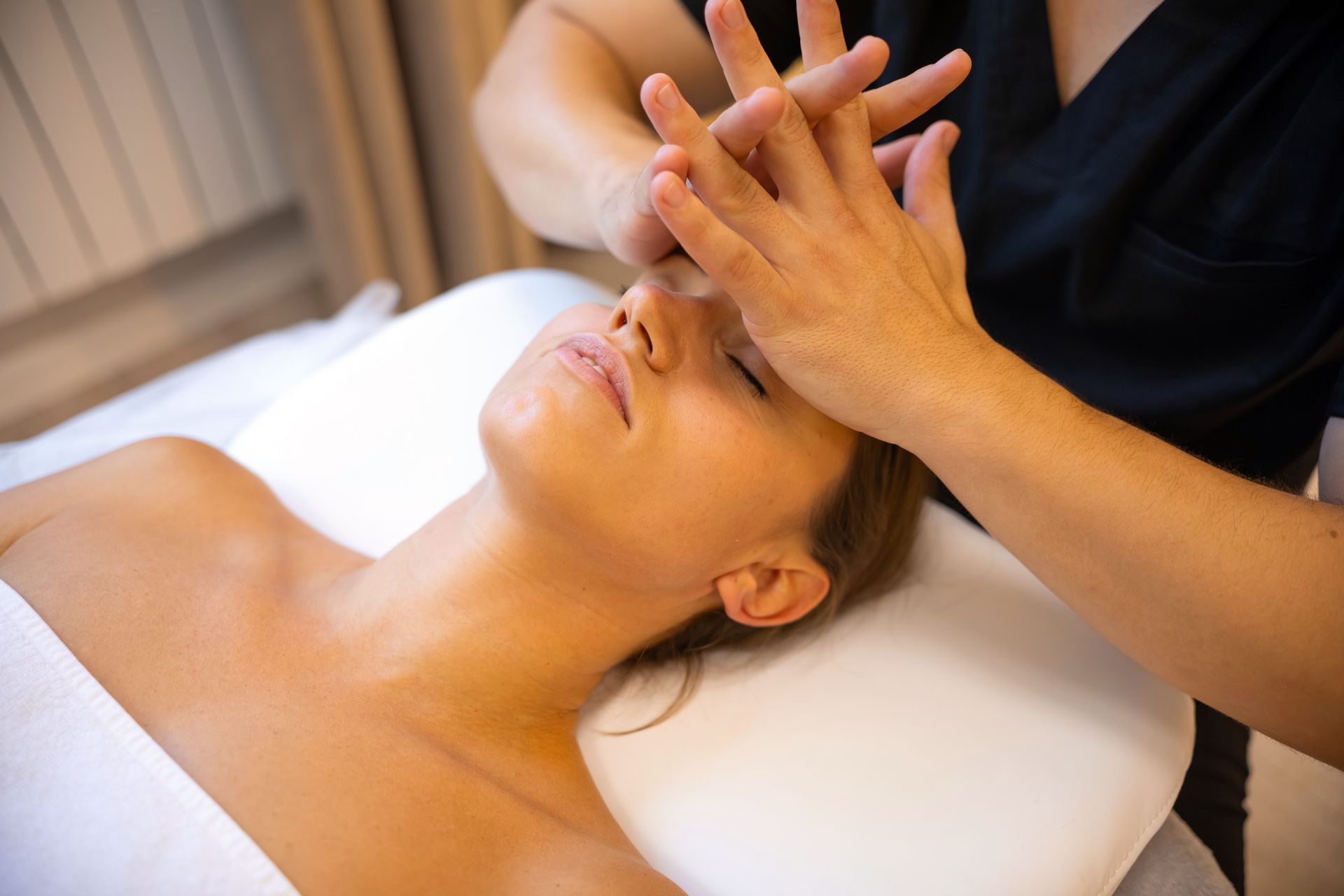
In recent years, the conversation around health has expanded far beyond diet and exercise. True wellness is no longer defined solely by physical fitness or the absence of disease. Instead, it encompasses a broader, more holistic view—one that recognizes the powerful link between wellness and emotional well-being. When these two aspects of health work together, individuals experience greater balance, resilience, and overall life satisfaction, and massage therapy can help with both.
Understanding Wellness as a Whole
Wellness is a multidimensional concept. It includes physical, emotional, mental, social, and even spiritual health. While many people focus primarily on physical wellness, such as maintaining a healthy weight, exercising regularly, and eating nutritious foods, emotional well-being plays an equally important role in achieving a truly healthy life.
Emotional well-being refers to the ability to understand, manage, and express emotions in healthy ways. It involves coping effectively with stress, maintaining fulfilling relationships, and adapting to life’s challenges. When emotional well-being is strong, it positively influences nearly every other dimension of wellness.
How Emotional Health Impacts Physical Health
The connection between emotional and physical health is deeply rooted in biology. Chronic stress, anxiety, and unresolved emotional struggles can lead to physical symptoms such as headaches, fatigue, digestive problems, and weakened immunity. Long-term emotional distress has even been linked to serious health conditions like heart disease, high blood pressure, and metabolic disorders.
When a person experiences ongoing stress, the body releases cortisol and other stress hormones. While helpful in short bursts, prolonged exposure to these hormones can disrupt sleep, impair immune function, and increase inflammation. Over time, this creates a cycle in which poor emotional health contributes to declining physical wellness.
Conversely, positive emotional states can strengthen the body. Feelings of joy, gratitude, and connection are associated with lower stress levels, improved immune response, and better cardiovascular health. Simply put, a healthy mind supports a healthy body.
The Role of Self-Care in Emotional Wellness
Self-care is often framed as spa days and indulgences, but its deeper purpose is maintaining emotional stability and resilience. Setting boundaries, practicing mindfulness, seeking support when needed, and making time for rest are all forms of emotional self-care.
Engaging in regular physical activity is also a powerful emotional wellness tool. Exercise stimulates the release of endorphins—natural mood boosters that reduce stress and promote feelings of well-being. Similarly, maintaining healthy sleep habits supports emotional regulation and cognitive clarity.
Nutrition plays a role as well. Emerging research on the gut-brain connection shows that what we eat can influence mood and mental clarity. A balanced diet rich in whole foods, lean proteins, fruits, vegetables, and healthy fats supports both physical and emotional wellness.
Relationships and Social Connection
Human beings are inherently social. Strong, supportive relationships contribute significantly to emotional well-being. Positive social interactions reduce stress, foster a sense of belonging, and provide encouragement during difficult times.
Isolation, on the other hand, can negatively impact both emotional and physical health. Loneliness has been associated with higher rates of depression, anxiety, and even chronic illness. Maintaining meaningful connections—whether through family, friendships, community groups, or faith organizations—strengthens overall wellness.
Building Emotional Resilience
Emotional well-being does not mean the absence of challenges. Rather, it involves developing resilience—the ability to bounce back from setbacks. Practices such as journaling, meditation, massage therapy, and gratitude exercises can help individuals process emotions and build coping skills.
Seeking professional support when needed is also a critical component of wellness. Mental health counseling or therapy is not a sign of weakness but a proactive step toward maintaining overall health. Addressing emotional struggles early can prevent them from escalating into more serious mental or physical health concerns.
A Holistic Approach to Health with Massage Therapy
The link between wellness and emotional well-being highlights the importance of viewing health holistically. Focusing exclusively on physical appearance or fitness goals without addressing emotional needs creates an imbalance that can undermine long-term well-being.
True wellness is achieved when individuals nurture both body and mind. By prioritizing emotional health, through stress management, meaningful relationships, healthy habits, and self-awareness, people can create a foundation for lasting vitality.
Ultimately, wellness is not just about living longer; it is about living better. When emotional well-being is supported and valued, individuals experience greater peace, improved health outcomes, and a deeper sense of fulfillment in their daily lives.
Based in Athens, Georgia,
Tranquility Massage and Wellness serves clients in and around Athens with affordable natural health and wellness services. With owner and massage therapist Lacy Dillard at the helm, our priority is to provide a calm, inviting and professional environment for everyone to come for various massage options. We encourage you to
contact us and we’ll be happy to book your massage.